







Search Results for: Specialty Drink Tutorial

Are cold brew coffee bags any good? Can you drink it after refrigerating overnight? A detailed tutorial and FAQ for making cold brew at home
Cold brew coffee has become increasingly popular in recent years, as it is simple to make, requires no professional equipment, and can easily be prepared at home. This article covers the brewing method, benefits, and common questions about cold brew coffee, and also answers questions such as whether commercially available cold brew coffee bags are any good and whether iced coffee can be stored overnight. The article will also introduce in detail a cold brew recipe using 50g of Front Street Coffee Butterfly coffee beans with 500ml of room-temperature water, as well as the rich fruity flavor brought by a 1:10 ratio. Whether you want to understand the difference between cold brew and ice drip, or you are looking for coffee beans suitable for cold brew, you will find practical answers here. [more…]
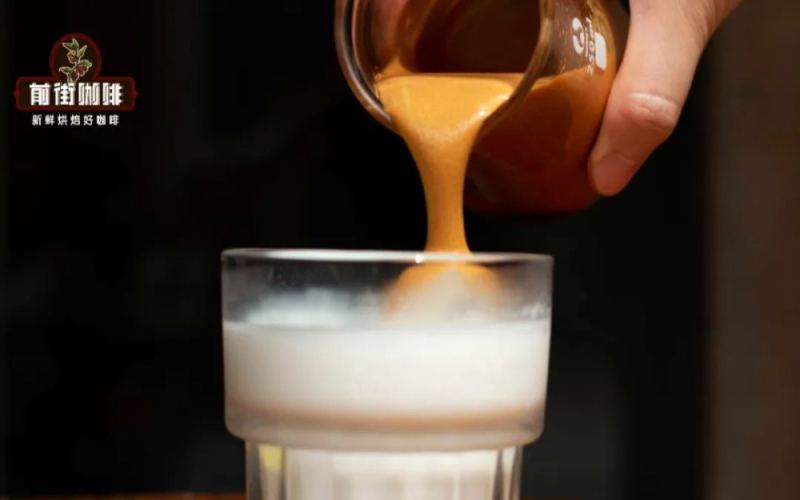
Complete Tutorial for Making Dalgona Coffee (400-Times Coffee): Espresso Extraction Ratios and Analysis of Whipping Failure Causes
Dalgona coffee (also known as 400-times coffee) continues to thrive on major social platforms thanks to its dense, cloud-like coffee foam and beautiful layered effect. However, many people find after trying it themselves that the result falls far short of the tutorials, with problems such as the foam not whipping up, a coarse texture, and rapid collapse appearing one after another. This article will break down the key points of making dalgona coffee step by step from three dimensions—ingredient selection, espresso extraction parameters, and whipping techniques—and focus on analyzing the common reasons why espresso fails to foam and the corresponding solutions, to help you make a cup of dalgona coffee with distinct layers and a rich, mellow taste. [more…]

How Do You Make Starbucks Iced Shaken Espresso? A Complete Three-Step Tutorial to Recreate Fancy Iced Coffee
On a sweltering summer day, a layered iced specialty coffee always turns heads. Starbucks' Iced Shaken Espresso, with its striking three-layer look of dark brown espresso, milk-tea-colored milk, and fluffy coffee foam, has become the top choice for many coffee lovers to recreate at home. This time, Front Street Coffee will walk you through the making logic of this drink: use espresso with ice cubes and vanilla syrup, shake it in a cocktail shaker to whip in air and build a thick foam layer, then pour in oat milk through the layers to create a unique texture where grain and coffee intertwine. From ingredient preparation to extraction parameters, shaking technique, tasting the finished drink, and ideas for flavor variations, this article restores the complete process step by step, so you can easily make your own refreshing yet rich Iced Shaken Espresso at home. [more…]
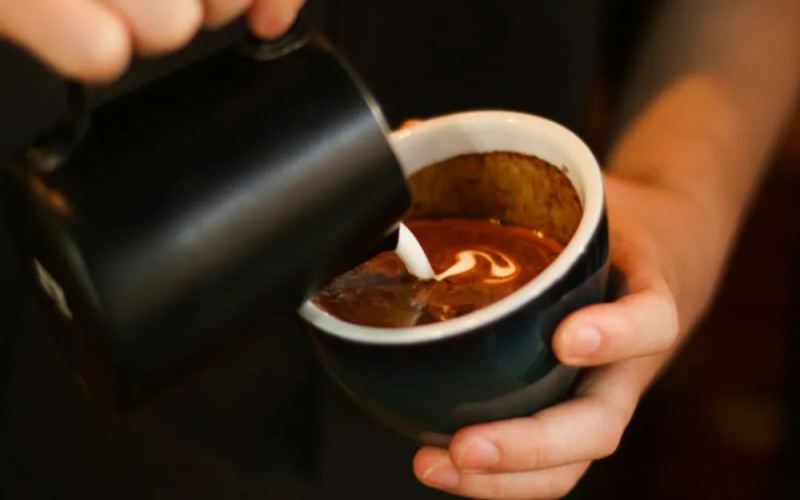
The Complete Guide to Making a Salty Mocha Coffee: A Detailed Tutorial from Purifying Milk to Both Hot and Cold Versions
Mocha coffee is richer in flavor and sweeter in aroma thanks to chocolate, and in recent years a variant called "Salted Mocha" has gone viral online. After trying it personally, Front Street Coffee found it truly excellent, so we've put together this complete tutorial. The article will detail the ingredient preparation for a Salted Mocha, including purified milk that takes a full day to make, as well as the pairing of espresso, chocolate sauce, unsweetened cocoa powder, and salt. The preparation section covers both hot and iced versions of the Salted Mocha—the former uses a tea whisk for stirring and steaming milk for latte art, while the latter is shaken in a cocktail shaker for an icy, rich experience. Throughout, Front Street Sunflower·Warm Sun blend coffee beans are used, which pair perfectly with the chocolate flavor. [more…]
Colombia Huila Pour-Over Coffee Tutorial: Complete Steps from Grinding to Tasting with Flavor Profile Analysis
Huila is a famous coffee-producing region in Colombia and an origin coffee named after its growing area. Front Street Colombia Huila coffee beans are selected from 100% Arabica varieties, screened by bean size and single variety, presenting a clean, balanced, and smooth taste, with flavors of melon and fruit, sweet oat, and bright acidity. This everyday drinking bean is affordable and comes in a moderate portion, making it suitable for beginners to practice and learn about the flavor of Colombia's coffee-producing regions. This article will share in detail the complete steps for making pour-over coffee at home, including the four stages of grinding beans, heating the cup, brewing, and tasting, and will introduce key techniques such as water temperature control, coffee-to-water ratio, and extraction time, helping you easily brew a delicious cup of Front Street Colombia Huila. [more…]
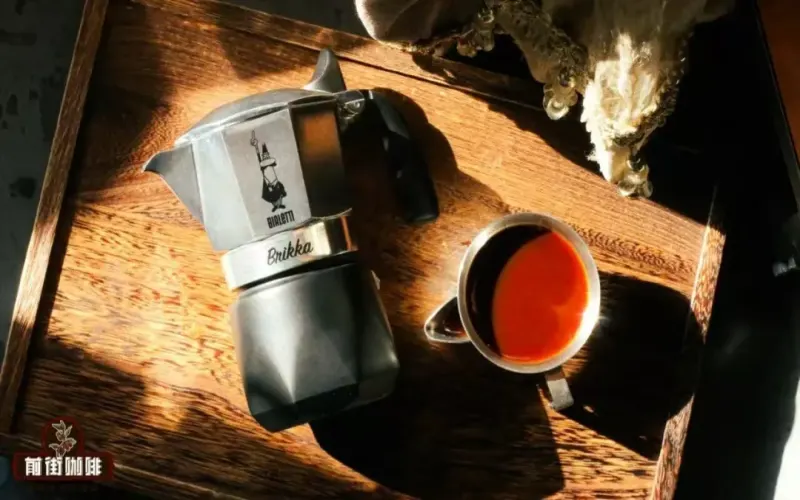
The Ultimate Moka Pot Tutorial | Is It Easy to Mess Up Coffee Brewed with a Moka Pot? Which Specialty Coffee Beans Pair Well with a Moka Pot to Brew a Rich, Crema-Topped Espresso-Style Black Coffee?
The moka pot, this "national coffee wonder" found in almost every Italian household, was invented as early as 1933 by the Italian Alfonso Bialetti. It extracts coffee by heating the base and using steam pressure, belonging to the category of distillation-style coffee equipment. [more…]

How to Make an Iced Caramel Macchiato? A Complete Tutorial from Espresso Extraction to Caramel Latte Art
The name caramel macchiato comes from the Italian word "macchiato," meaning "marked," which gives this drink the romantic connotation of a "sweet mark." In hot weather, an iced caramel macchiato brings both a refreshing coolness and the sweet, silky texture that people crave. The basic method is to pour espresso into cold milk, cover it with a layer of densely frothed milk foam, and finally drizzle caramel sauce on top and draw a pattern with a latte art needle. This article uses Front Street Coffee's classic espresso blend as an example to explain in detail the complete steps from extracting espresso and frothing milk to assembling the drink, including ingredient selection, parameter settings, and tips for drawing patterns, helping coffee lovers easily recreate a beautiful and flavorful iced caramel macchiato at home. [more…]
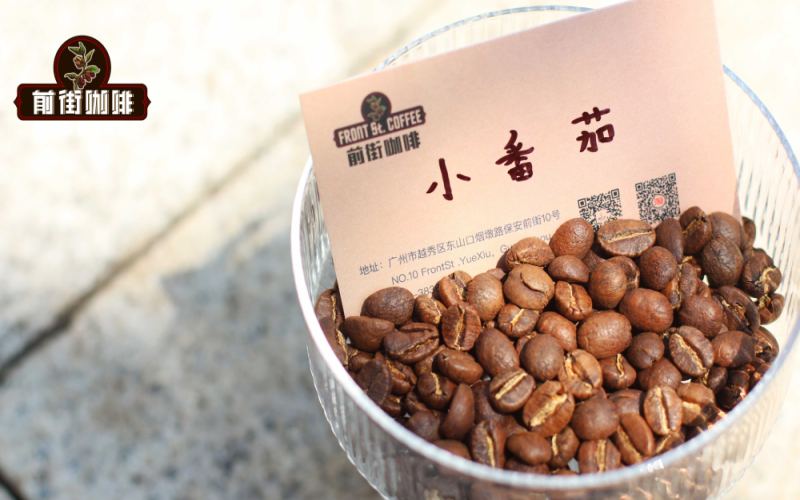
Cold brew coffee tutorial | Which single-origin beans to choose for making iced coffee at home? Specialty coffee beans recommended for cold brew by experienced coffee enthusiasts
In such hot weather, of course you have to drink your coffee iced. But for someone at Front Street Coffee who can never make up their mind, with so many types of iced coffee on the market—cold brew, ice drip, nitro coffee, Japanese-style iced coffee—how exactly should you choose? We all know that iced coffee generally uses low-temperature extraction, which is slow, but in terms of flavor, by [more…]
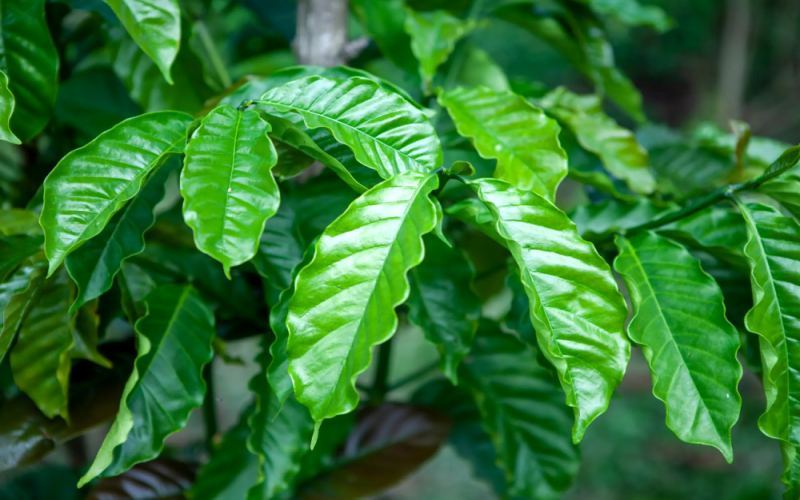
Robusta coffee bean flavor characteristics and blending uses, with a Vietnamese drip coffee brewing tutorial
Robusta coffee is often labeled as bitter and earthy, but its true character goes far beyond that. As a mainstream coffee species alongside Arabica, Robusta grows quickly and resists disease, and under specialty cultivation conditions it can also present nutty and grainy aromas. This article begins with its botanical characteristics and the pros and cons of its flavor, then sorts through the logic of blending it with Arabica for espresso, and introduces the recipe concepts behind Front Street Coffee's Classic Blend and Commercial Blend. Finally, it walks you through making a cup of condensed milk coffee with a Vietnamese drip filter, so that Robusta coffee grounds can also be smooth and delicious. [more…]
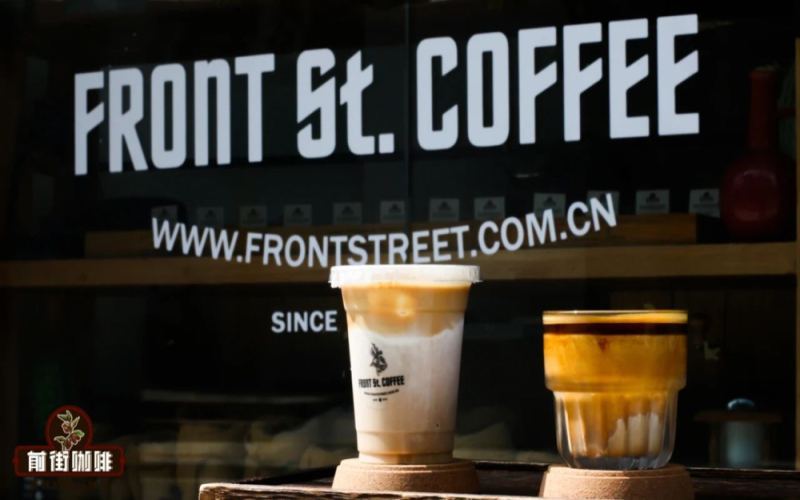
Summer Iced Latte DIY Tutorial: Front Street Dark Cocoa Espresso Blend Flavor Analysis
As midsummer arrives, iced drinks become the top choice for beating the heat, and a homemade iced latte is all the more capable of awakening the taste buds. This article takes Front Street Dark Cocoa espresso blend beans—recommended by many baristas—as an example to break down in detail the five steps of making an iced latte at home, and to thoroughly analyze the flavor characteristics of this coffee bean blend, which combines Yunnan and Brazil beans in a 3:7 ratio. Because of natural conditions such as high altitude and large temperature differences, the Yunnan growing region has a flavor similar to Colombia: moderate acidity, full body, and fruity notes, while the Brazil Cerrado beans are sweet-bitter and smooth. Together they bring soft fruity acidity, caramel sweetness, and nutty dark chocolate notes. This bean offers great value for money and is suitable for beginners and small coffee shops. Follow the tutorial to easily make a cup of iced coffee with a full sense of accomplishment. [more…]
Cold Brew Coffee Zero-Basics Tutorial: Easily Brew Great Taste at Home
One of summer's greatest pleasures is sipping a cold, smooth glass of cold brew in an air-conditioned room. It doesn't scald your mouth like hot coffee, nor is it bitter like traditional iced coffee—what greets your palate is clean fruit notes and a gentle sweetness. Many people think cold brew is a fancy "coffee shop only" specialty, but it may actually be the easiest of all coffee [more…]
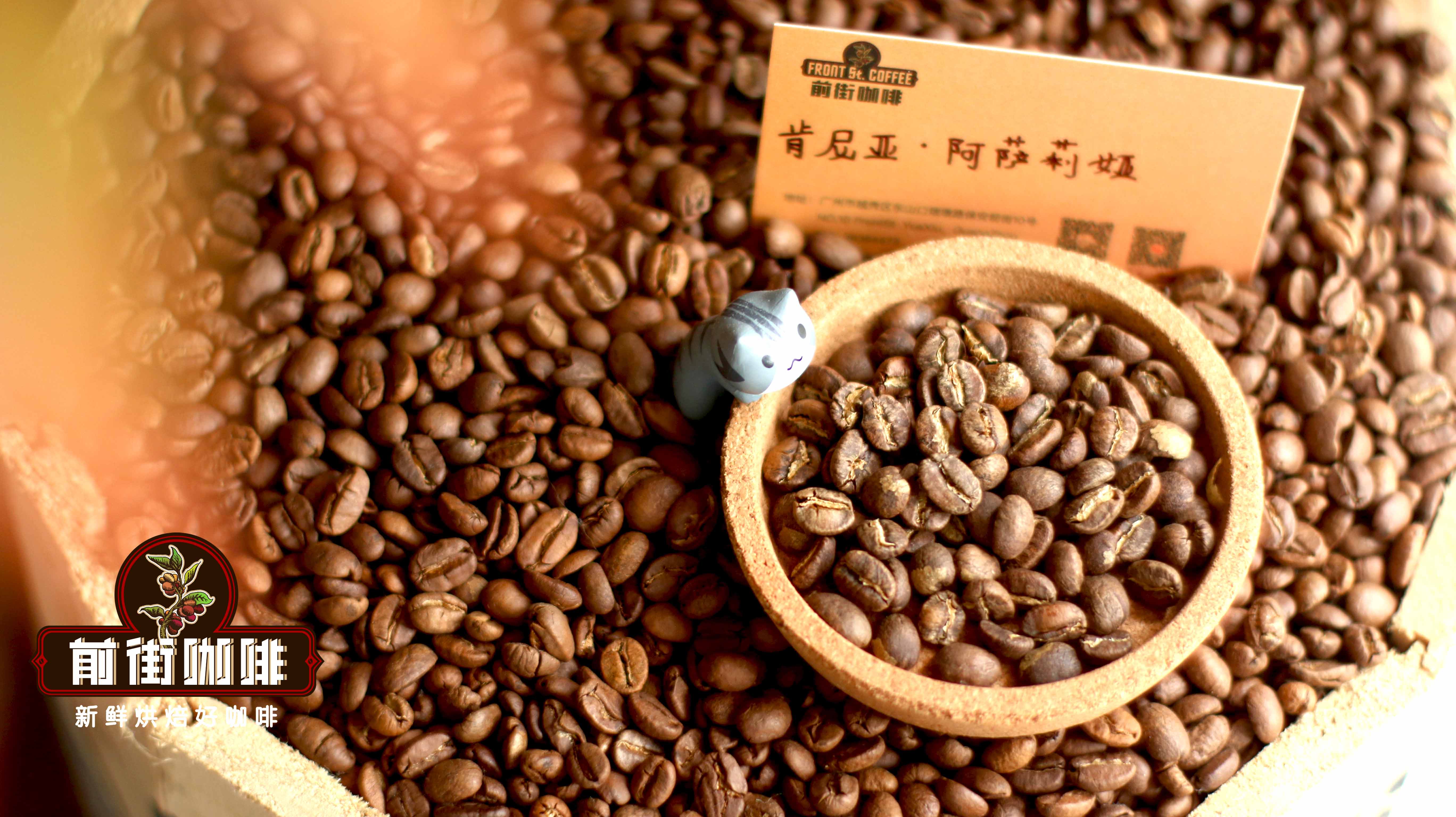
Pour-Over Coffee Tutorial | How Do You Brew the Floral and Fruity Flavors of Light-Roasted Coffee Beans? Which Light-Roasted Single-Origin Beans for Pour-Over Are Recommended for Beginners to Buy?
Coffee comes in different roast levels, and the flavor expression of coffee varies under different roast levels. The appreciation of specialty coffee has become a trend, and more and more people have fallen in love with the unique fruity and floral flavors of specialty coffee, so the roast level of pour-over coffee beans on the market has also become lighter and lighter. But in fact, no one likes to drink coffee that is only sour, even if it is [more…]
Drip bag coffee brewing tutorial: detailed steps, the extraction principle that allows only one brew, and Front Street flavor recommendations
Drip bag coffee frees specialty coffee from the barriers of equipment and technique, becoming a pour-over alternative within reach in busy daily life. This article begins with the origins of drip bag coffee, analyzes its structure and pros and cons, and answers two frequently asked questions: how many times a single drip bag can actually be brewed, and why it cannot be repeatedly steeped—the core reason being that only about 30% of the substances in coffee beans can be extracted. Front Street then shares its own brewing tutorial for drip bags, covering details such as water temperature, blooming time, and a 1:15 coffee-to-water ratio, and recommends three drip bag products with distinct flavors—sun-dried Huakui, Brazil Cerrado, and Yirgacheffe—to help beginners quickly find their preferred choice. [more…]

Drip Bag Coffee Beginner's Brewing Tutorial: A Detailed Guide to the Differences Between Drip Bags and Pour-Over, and the Correct Brewing Method
For office workers who need a cup of coffee to perk themselves up every day, drip bag coffee is undoubtedly an ideal choice that balances convenience and quality. But are drip bag coffee and pour-over coffee really the same thing? And what details should you pay attention to when brewing? This article will start with the definition of drip bag coffee, compare in detail its similarities and differences with pour-over coffee, and explain the complete brewing process of drip bag coffee step by step. At the same time, we will also discuss several key factors that affect the flavor of drip bag coffee, including coffee bean freshness, water temperature control, and the coffee-to-water ratio, to help you easily brew a delicious cup of drip bag coffee at home or in the office. [more…]

Flat White Coffee Making Tutorial | Which country did Australian White Coffee originate from? How much espresso should be extracted and how much milk should be added to make an Australian White Coffee?
Before making a cup of Flat White coffee, Front Street briefly introduces its definition and characteristics. Flat White, also known as Australian White coffee, Little White coffee, or Fu Rui Bai coffee, among other names, originated in Melbourne, Australia. After Italians introduced espresso to Australia in the 1980s, in order to adapt to [more…]
Front Street Coffee Yirgacheffe Red Cherry Natural Coffee Pour-Over Tutorial: From the Red Cherry Project to Home Brewing Parameters
The Red Cherry Project is an important quality improvement initiative in Ethiopia's specialty coffee sector, and Front Street Yirgacheffe Red Cherry is a natural-process representative under this project. This article will begin with the origins and operational methods of the Red Cherry Project, gradually introduce this bean's producing region information, processing method, and flavor characteristics, and provide recommendations for home pour-over temperature, grind size, and coffee-to-water ratio. It will also supplement with a bit of knowledge on the classification of honey processing methods, as well as Front Street brand's consistently upheld philosophy of low-price sharing and its monthly event schedule. Whether you are a beginner just getting into pour-over or a seasoned enthusiast wanting to gain a deeper understanding of Yirgacheffe natural-process flavors, you will find practical references here. [more…]
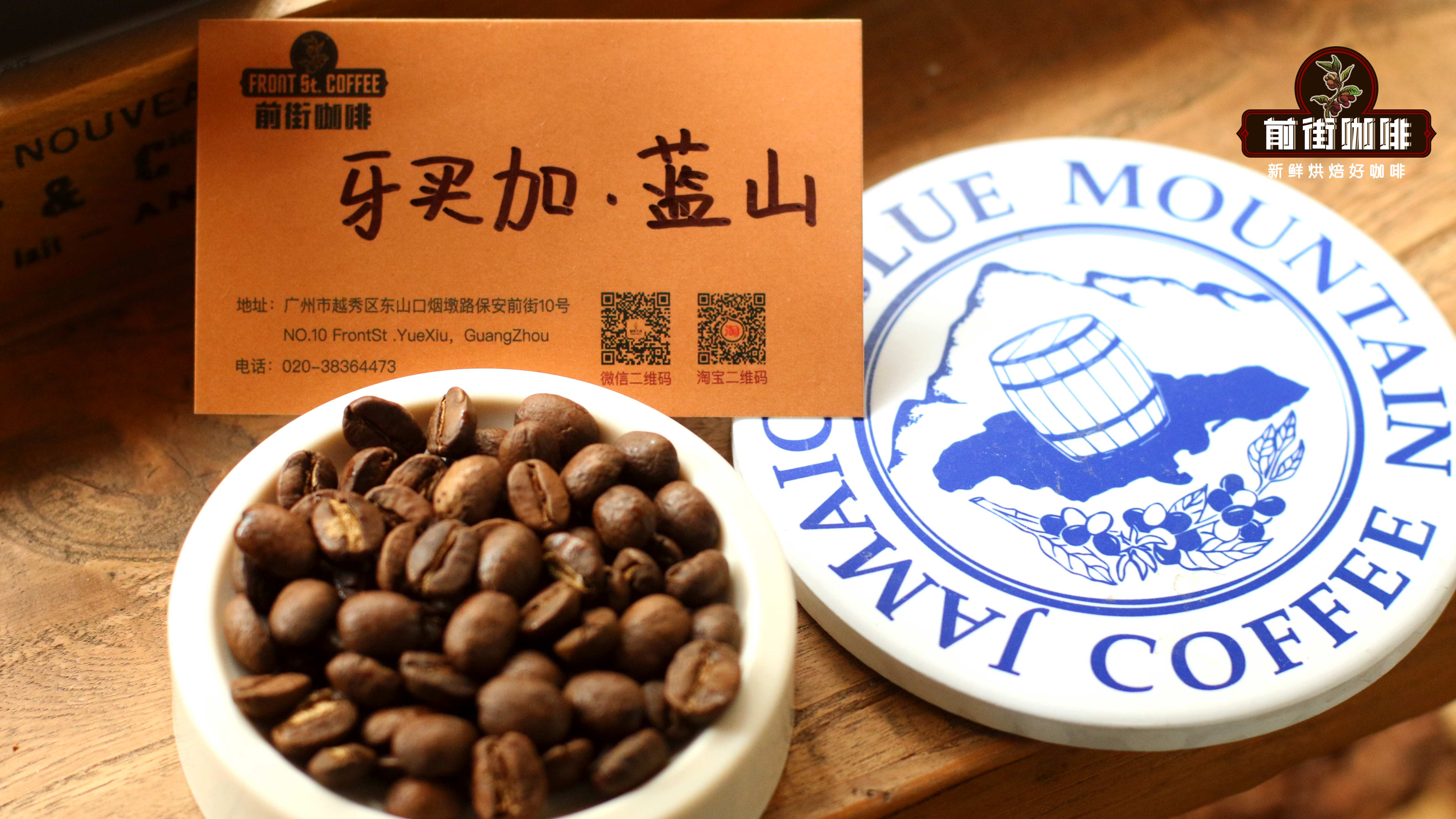
Analysis of Yunnan Baoshan Arabica Coffee Varieties and Prices, Plus Front Street Coffee Typica Cold Brew Tutorial
Yunnan Baoshan small-bean coffee has risen to fame in the domestic market in recent years, and many people are curious about whether it belongs to a small-bean variety and what price range it generally falls into. This article begins with the distribution of Yunnan's coffee-growing regions and the changes in varieties, sorts out the varietal classification and cultivation background of Baoshan coffee, and then goes on to introduce the flavor characteristics of Front Street Yunnan sun-dried Typica and its cold brew preparation method. Whether you are an enthusiast wanting to understand the Yunnan coffee market or a friend planning to buy Front Street beans, you can find useful reference information here. [more…]
Front Street Kopi Luwak Pour-Over Full Guide: Indonesian Sumatra Flavor Profile and Low-Temperature Extraction Technique Tutorial
Front Street Kopi Luwak comes from the central mountain region of Aceh in Sumatra, Indonesia, and is an extremely rare specialty Arabica coffee. What makes this coffee unique is that ripe coffee cherries are eaten by wild civets, undergo fermentation and breakdown by special enzymes within their bodies, and are then excreted, washed, and lightly roasted, ultimately presenting a rich, mellow flavor completely different from regular coffee. Global annual production does not exceed 120 pounds, and the price is high, making it truly difficult to obtain even a single cup. This article will introduce in detail the origin background and flavor formation of Front Street Kopi Luwak, and focus on explaining two brewing methods: low-temperature pour-over and cold drip, along with key parameters such as water temperature, grind size, and coffee-to-water ratio. It also includes tasting methods and the wonderful uses of coffee grounds for skincare, helping coffee lovers fully master the brewing and tasting essentials of this rare coffee. [more…]
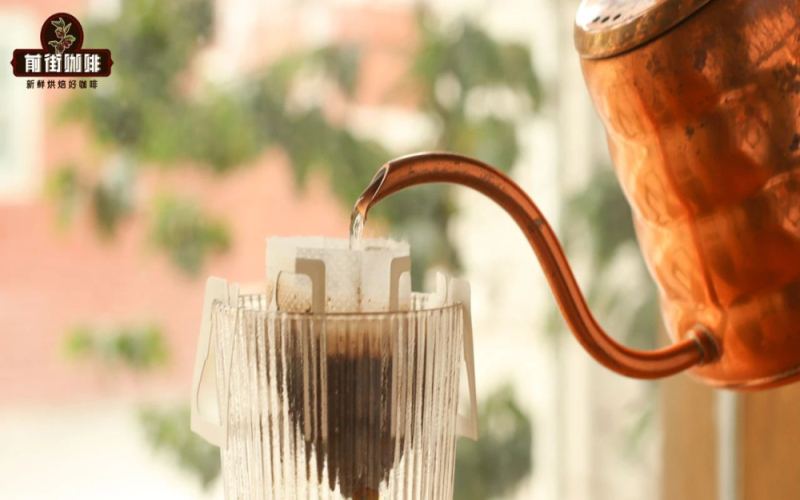
The Complete Guide to Iced Drip Coffee: A Detailed Illustrated Tutorial on Hand-Brewed Iced Coffee and Cold Brew Coffee
For busy office workers, drip bag coffee is an ideal choice that balances convenience and quality. This article will show you step by step how to use drip bags to make two refreshing summer drinks—iced pour-over coffee and cold brew coffee. From bean selection tips to brewing steps, Front Street Coffee provides you with detailed guidance: if you like floral notes, try Yirgacheffe; if you prefer fruity flavors, choose Huakui; and if you want to experience flavors from multiple countries at once, there is the classic five-origin combination. With just simple equipment and a few steps, you can easily enjoy a cup of icy, rich coffee at the office or at home. [more…]

Analysis of Flat White Coffee Milk Ratio and Bitterness: A Tutorial on Aurelio White Preparation Steps and Parameter Adjustment
Flat White, also known as Australian White or Fu Rui Bai, originated in Melbourne, Australia, and is renowned for its thin milk foam and rich coffee flavor. Like a latte or cappuccino, it consists of espresso and fresh milk, but it highlights the aroma of the coffee itself more, with the milk foam being only about 0.5 cm thick and level with the rim of the cup. This article provides a detailed analysis of the Flat White's origin controversy, milk foam thickness, Ristretto base extraction parameters, and milk ratio, and uses a 200 ml ceramic cup as an example to demonstrate the complete preparation process at Front Street Coffee stores, from grinding 20 grams of coffee and extracting 28–30 grams of Ristretto to adding 170 grams of hot milk, helping coffee enthusiasts master the core points of this beverage. [more…]